
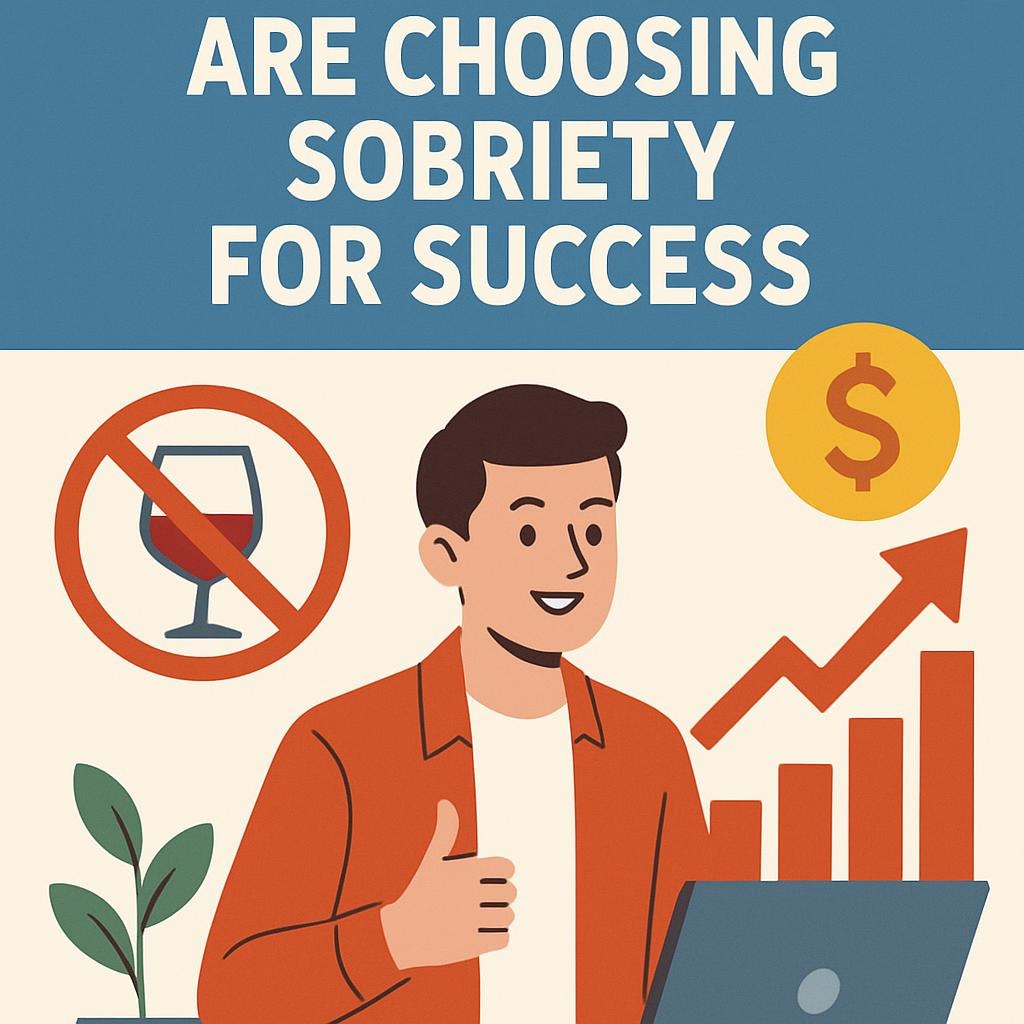
The entrepreneurial landscape is experiencing a quiet revolution. While previous generations of business leaders often embraced the "work hard, play hard" mentality, today’s young entrepreneurs are increasingly choosing sobriety as their competitive edge. This shift isn’t about moral superiority—it’s about maximizing cognitive performance, building authentic relationships, and creating sustainable success without the hidden costs of alcohol dependency.
As someone who spent years chasing quick wins in dropshipping, NFTs, and digital marketing while using alcohol to cope with the constant pressure, I’ve witnessed firsthand how substances can derail even the most promising ventures. After multiple business failures, account bans, and financial setbacks, my journey to five months of sobriety has revealed what many young entrepreneurs are discovering: clarity beats chaos every time.
The Clear Mind Advantage in Business
Enhanced Decision-Making and Cognitive Performance
Entrepreneurs who choose sobriety report dramatically improved decision-making capabilities, particularly in high-pressure situations. Research from the National Institute on Alcohol Abuse shows that even moderate drinking can impair executive function for up to 24 hours after consumption. For entrepreneurs making crucial business decisions daily—from investment choices to hiring decisions—this cognitive clarity becomes a significant competitive advantage. Young business leaders are recognizing that the mental sharpness gained from sobriety often translates directly into better strategic thinking and problem-solving abilities.
Improved Sleep Quality and Energy Management
Quality sleep is non-negotiable for entrepreneurial success, yet alcohol severely disrupts REM sleep cycles even when consumed hours before bedtime. Sober entrepreneurs consistently report better sleep quality, leading to increased energy levels and sustained focus throughout demanding workdays. This improvement in sleep architecture means better memory consolidation, enhanced creativity, and more stable mood regulation—all critical factors for managing the emotional rollercoaster of building a business. The compound effect of consistent, restorative sleep creates a foundation for long-term success that many entrepreneurs overlook.
Financial Benefits and Resource Allocation
The financial impact of choosing sobriety extends far beyond the obvious savings on alcohol purchases. Young entrepreneurs are realizing that the money previously spent on drinks, bar tabs, and alcohol-related entertainment can be redirected toward business investments, education, or emergency funds. Additionally, sober entrepreneurs avoid the hidden costs associated with poor decision-making while intoxicated, such as impulsive purchases, risky business deals made in social settings, or the productivity losses from hangovers. This improved financial discipline often correlates with better business financial management overall.
Breaking the Hustle Culture Drinking Trap
The Toxic Intersection of Stress and Alcohol
Modern hustle culture has normalized using alcohol as a stress management tool, creating a dangerous cycle for entrepreneurs. The "work hard, drink harder" mentality prevalent in networking events, startup celebrations, and business dinners masks a deeper problem: entrepreneurs using substances to cope with the inherent stress of building businesses. This approach creates a dependency cycle where stress triggers drinking, which temporarily reduces anxiety but ultimately increases stress levels and impairs the very cognitive abilities needed for business success. Young entrepreneurs are breaking this cycle by recognizing that sustainable stress management requires healthier coping mechanisms.
Authentic Networking and Relationship Building
The business world’s drinking culture often creates superficial connections based on shared intoxication rather than genuine professional relationships. Sober entrepreneurs report building more meaningful, lasting business relationships because their interactions are based on authentic communication and shared professional interests. This shift toward sober networking has led to the rise of alcohol-free business events, morning networking meetings, and activity-based professional gatherings. These environments foster deeper conversations about business challenges, opportunities, and collaborations without the social lubricant of alcohol.
Redefining Success Metrics and Celebration
Traditional entrepreneurial culture often celebrates milestones with alcohol—closing deals with champagne, networking at bars, or unwinding with drinks after long days. Sober entrepreneurs are redefining these celebration rituals and success metrics to focus on sustainable achievements rather than short-term highs. This might involve celebrating business wins with experiences, investments in personal development, or activities that contribute to long-term well-being. This shift helps entrepreneurs maintain perspective on what truly matters for business growth and personal fulfillment.
ADHD, Alcohol, and Entrepreneurial Burnout
The ADHD-Entrepreneur Connection
Research indicates that entrepreneurs are significantly more likely to have ADHD than the general population, with studies suggesting rates as high as 29% compared to 4-5% in the broader population. The entrepreneurial traits of risk-taking, creativity, and high energy often correlate with ADHD characteristics. However, many entrepreneurs with ADHD unknowingly self-medicate with alcohol to manage symptoms like hyperactivity, impulsivity, and difficulty with executive function. This creates a particularly dangerous cycle where alcohol temporarily masks ADHD symptoms but ultimately exacerbates them, leading to increased business mistakes, poor time management, and emotional dysregulation.
How Alcohol Worsens ADHD Symptoms in Business Contexts
For entrepreneurs with ADHD, alcohol consumption can significantly worsen the very symptoms they’re trying to manage. Alcohol disrupts dopamine regulation, which is already compromised in ADHD brains, leading to increased difficulty with focus, motivation, and task completion. This is particularly problematic for entrepreneurs who need sustained attention for complex projects, strategic planning, and detail-oriented tasks like financial management. Additionally, alcohol’s impact on sleep quality compounds ADHD symptoms, creating a cycle where poor sleep worsens ADHD symptoms, leading to increased alcohol use for stress relief, which further disrupts sleep and cognitive function.
Sustainable ADHD Management for Sober Entrepreneurs
Successful sober entrepreneurs with ADHD report using alternative strategies for symptom management that actually enhance business performance. These include structured morning routines, time-blocking techniques, regular exercise (which naturally boosts dopamine), and mindfulness practices. Many find that proper ADHD medication, when appropriate and prescribed by healthcare professionals, works more effectively without alcohol interference. Creating ADHD-friendly business systems—such as automated workflows, accountability partnerships, and environment design—helps maintain focus and productivity without relying on substances. This approach leads to more consistent business performance and reduced burnout.
Building Sustainable Success Without Substances
Creating Healthy Coping Mechanisms for Business Stress
Sustainable entrepreneurship requires developing robust stress management systems that don’t rely on alcohol or other substances. Successful sober entrepreneurs often implement daily practices such as meditation, regular exercise, journaling, or breathing exercises to manage the inevitable stress of business ownership. These practices not only provide immediate stress relief but also build long-term resilience and emotional regulation skills. Additionally, many find that addressing stress through therapy, coaching, or peer support groups creates a stronger foundation for handling business challenges than temporary chemical solutions.
Building Sober Business Communities and Support Systems
The rise of sober entrepreneur communities has created new opportunities for peer support and accountability in business ventures. Organizations like Sober Entrepreneurs, alcohol-free coworking spaces, and morning networking groups provide environments where business professionals can connect without the pressure to drink. These communities often report higher levels of authentic relationship building, more focused business discussions, and stronger accountability partnerships. For entrepreneurs struggling with alcohol use, having a sober business community can be crucial for maintaining sobriety while building professional relationships.
Long-term Business Strategy and Sustainable Growth
Sober entrepreneurship naturally lends itself to long-term thinking and sustainable business practices. Without the short-term thinking often associated with alcohol use, entrepreneurs can focus on building businesses with strong foundations, ethical practices, and sustainable growth models. This might involve choosing slower but more stable growth over risky quick wins, investing in team development and company culture, or prioritizing customer relationships over short-term profits. Many sober entrepreneurs report feeling more aligned with their values and more capable of building businesses that reflect their authentic selves rather than chasing external validation or numbing business-related anxiety.
The movement toward sober entrepreneurship isn’t a trend—it’s a fundamental shift toward sustainable business building and authentic success. As more young entrepreneurs recognize that their greatest asset is their mental clarity and emotional stability, choosing sobriety becomes a strategic advantage rather than a limitation. The entrepreneurs leading this change aren’t just building better businesses; they’re modeling a new way of achieving success that prioritizes long-term well-being over short-term coping mechanisms.
If you’re an entrepreneur struggling with alcohol use, ADHD management, or the stress of building a business, know that you’re not alone in this journey. The path to sustainable success often requires honest self-assessment and the courage to change patterns that no longer serve your goals. Whether you’re considering sobriety, looking to better manage ADHD symptoms, or simply want to build a more sustainable approach to entrepreneurship, remember that seeking support is a sign of strength, not weakness. The clearest path to business success often starts with getting clear on what truly matters—and that clarity is always available to you.
Leave a Reply