
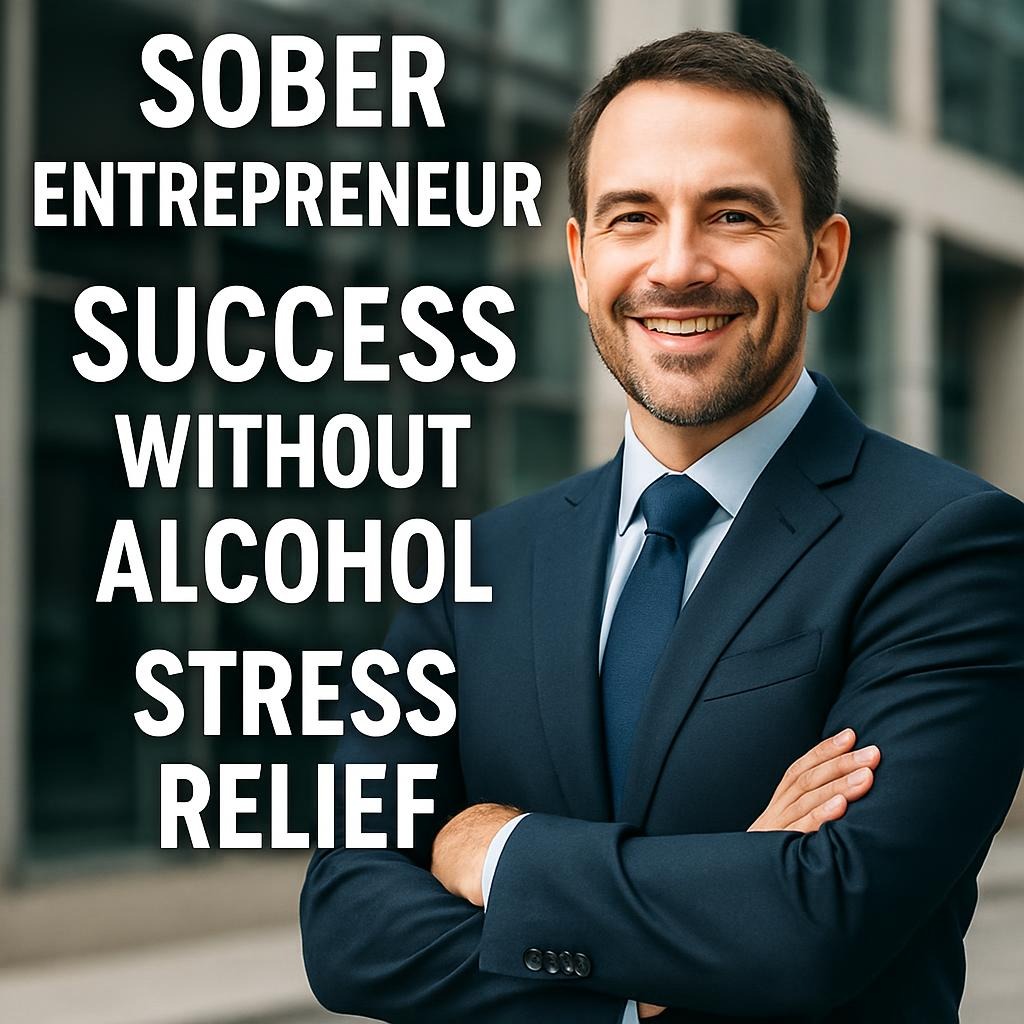
As an entrepreneur who’s navigated the highs and lows of building multiple businesses while battling alcohol dependency, I’ve learned firsthand that success without sobriety is often just an illusion. After five months of sobriety following years of using alcohol as my go-to stress relief method, I’ve discovered what many successful entrepreneurs are quietly embracing: alcohol-free business building isn’t just healthier—it’s more profitable, sustainable, and genuinely fulfilling. If you’re an entrepreneur struggling with alcohol as your primary stress management tool, wondering "how do I manage business stress without drinking" or "can I be successful in business while sober," this guide will show you the science-backed path to building your empire without the bottle.
Why Sober Entrepreneurs Outperform Their Peers
Enhanced Decision-Making and Risk Assessment: Sober entrepreneurs consistently make better business decisions because alcohol doesn’t cloud their judgment during critical moments. Research from Harvard Business Review shows that even moderate alcohol consumption can impair decision-making abilities for up to 24 hours after drinking. When I was drinking regularly while running my dropshipping and NFT ventures, I made impulsive investments and poor partnership choices that cost me thousands. Now, five months sober, my risk assessment skills have dramatically improved—I evaluate opportunities more thoroughly and avoid the costly mistakes that alcohol-influenced thinking often produces.
Superior Sleep Quality Leads to Peak Performance: Entrepreneurs who don’t drink alcohol experience significantly better sleep quality, leading to enhanced cognitive performance, creativity, and problem-solving abilities. The National Sleep Foundation reports that alcohol disrupts REM sleep cycles, even when consumed hours before bedtime. During my drinking days as a digital nomad, I thought alcohol helped me unwind, but I was constantly exhausted and struggled with focus. Sober entrepreneurs wake up refreshed, think more clearly, and maintain consistent energy levels throughout demanding workdays—a competitive advantage that compounds over time.
Increased Financial Resources and Cash Flow: The most overlooked advantage of sober entrepreneurship is the dramatic increase in available capital. The average entrepreneur spends $2,000-$5,000 annually on alcohol, but the hidden costs are much higher—expensive business dinners with drinks, reduced productivity leading to lost opportunities, and poor financial decisions made while intoxicated. Since becoming sober, I’ve redirected money previously spent on alcohol directly into my coaching business, allowing for better marketing, tools, and professional development investments that generate actual ROI rather than hangovers.
Breaking the Alcohol-Stress Cycle in Business
Understanding the Entrepreneur’s Stress-Alcohol Trap: Many entrepreneurs fall into the dangerous pattern of using alcohol to decompress from high-stress business situations, creating a dependency cycle that actually increases stress over time. Alcohol temporarily reduces cortisol levels but causes a rebound effect 6-12 hours later, leaving entrepreneurs more anxious and stressed than before drinking. This cycle becomes particularly destructive for entrepreneurs with ADHD, as alcohol interferes with dopamine regulation and executive function. I experienced this firsthand during my e-commerce failures—each setback led to drinking, which impaired my ability to analyze what went wrong and develop better strategies.
The Hidden Cost of Alcohol on Business Relationships: Professional networking and client relationships suffer when alcohol becomes your primary stress management tool. While business drinking culture seems prevalent, sober entrepreneurs often build deeper, more authentic professional relationships. Clients and partners remember entrepreneurs who are consistently sharp, reliable, and present during meetings and events. Since embracing sobriety, my coaching clients have noted my increased presence and clarity during sessions, leading to better outcomes and stronger referrals.
Recognizing Alcohol as a False Solution to Real Problems: Alcohol masks entrepreneurial stress without addressing root causes like poor time management, unclear business goals, or inadequate support systems. Successful sober entrepreneurs learn to view stress as valuable feedback about their business operations rather than something to numb. When I stopped drinking, I was forced to confront the real issues in my business model and personal habits that were creating chronic stress. This led to fundamental improvements in my approach to entrepreneurship, including better boundary-setting, realistic goal-setting, and sustainable work practices.
Science-Backed Alternatives to Drinking
Exercise and Movement for Stress Relief: High-intensity interval training (HIIT) and regular cardio exercise produce endorphins and reduce cortisol more effectively than alcohol, without the negative rebound effects. Research published in the Journal of Health Psychology shows that just 20 minutes of moderate exercise can reduce stress hormones for up to 12 hours. As a sober entrepreneur, I’ve replaced evening drinks with morning workouts, which not only manages stress but also improves my energy and focus throughout the business day. The key is finding movement you enjoy—whether it’s boxing, yoga, running, or even walking meetings with clients.
Mindfulness and Meditation Practices: Mindfulness meditation has been proven to reduce entrepreneurial stress and improve decision-making abilities more effectively than alcohol consumption. Studies from Johns Hopkins show that meditation can reduce anxiety by up to 60% and improve cognitive flexibility—crucial skills for entrepreneurs navigating uncertain markets. I use a simple 10-minute morning meditation practice using apps like Headspace or Calm, which helps me approach business challenges with greater clarity and less reactivity. For entrepreneurs with ADHD, meditation can be particularly beneficial for improving focus and emotional regulation.
Breathwork and Cold Exposure Techniques: Controlled breathing exercises and cold exposure (like cold showers or ice baths) activate the parasympathetic nervous system and build stress resilience without any negative side effects. The Wim Hof Method and box breathing techniques provide immediate stress relief and can be used anywhere—during difficult client calls, before important presentations, or when facing business setbacks. These practices actually strengthen your stress response over time, unlike alcohol which weakens your natural coping mechanisms. I’ve integrated 5-minute breathing exercises between coaching sessions, which helps me stay centered and provide better guidance to my clients.
Building Your Alcohol-Free Success Strategy
Creating Non-Negotiable Daily Habits: Successful sober entrepreneurs establish morning and evening routines that don’t revolve around alcohol. Start with three non-negotiable habits: a consistent wake-up time, 20 minutes of physical activity, and a brief planning session for the day ahead. These habits create structure and momentum that makes it easier to resist alcohol when business stress peaks. My current routine includes meditation, journaling, and reviewing my coaching client goals each morning, which sets a positive tone for the entire day and reduces the likelihood of seeking alcohol for stress relief later.
Building a Sober Support Network: Surround yourself with other entrepreneurs who prioritize health and sustainable success over hustle culture and drinking. Join sober entrepreneur groups, attend alcohol-free networking events, or find an accountability partner who shares your commitment to building a business without alcohol dependency. The entrepreneur journey can be isolating, but having peers who understand both business challenges and sobriety struggles is invaluable. Consider working with a coach who specializes in helping entrepreneurs manage stress, ADHD, and addiction—professional guidance can accelerate your progress and help you avoid common pitfalls.
Developing Your Personal Stress Management Toolkit: Create a personalized menu of stress-relief options you can use instead of reaching for alcohol. This might include calling a mentor, taking a walk, doing breathwork, listening to specific music, or engaging in a hobby you enjoy. The key is having multiple options prepared before stress hits, because decision-making becomes harder when you’re overwhelmed. Keep this toolkit easily accessible—write it down, save it on your phone, or create visual reminders in your workspace. As someone who’s helped numerous entrepreneurs break free from alcohol dependence, I’ve seen that preparation and variety are crucial for long-term success in maintaining sobriety while building a thriving business.
Building a successful business without relying on alcohol for stress relief isn’t just possible—it’s the path to more sustainable, profitable, and fulfilling entrepreneurship. The entrepreneurs who thrive long-term are those who develop healthy coping mechanisms, make clear-headed decisions, and invest their energy into growth rather than recovery from poor choices. If you’re ready to break free from the alcohol-stress cycle and build a business that aligns with your values and well-being, remember that sobriety is not a limitation—it’s your competitive advantage. The clarity, energy, and authenticity that come with alcohol-free entrepreneurship will serve you far better than any temporary stress relief a drink might provide. Your future self, your business, and your clients will thank you for making this choice.
Leave a Reply