
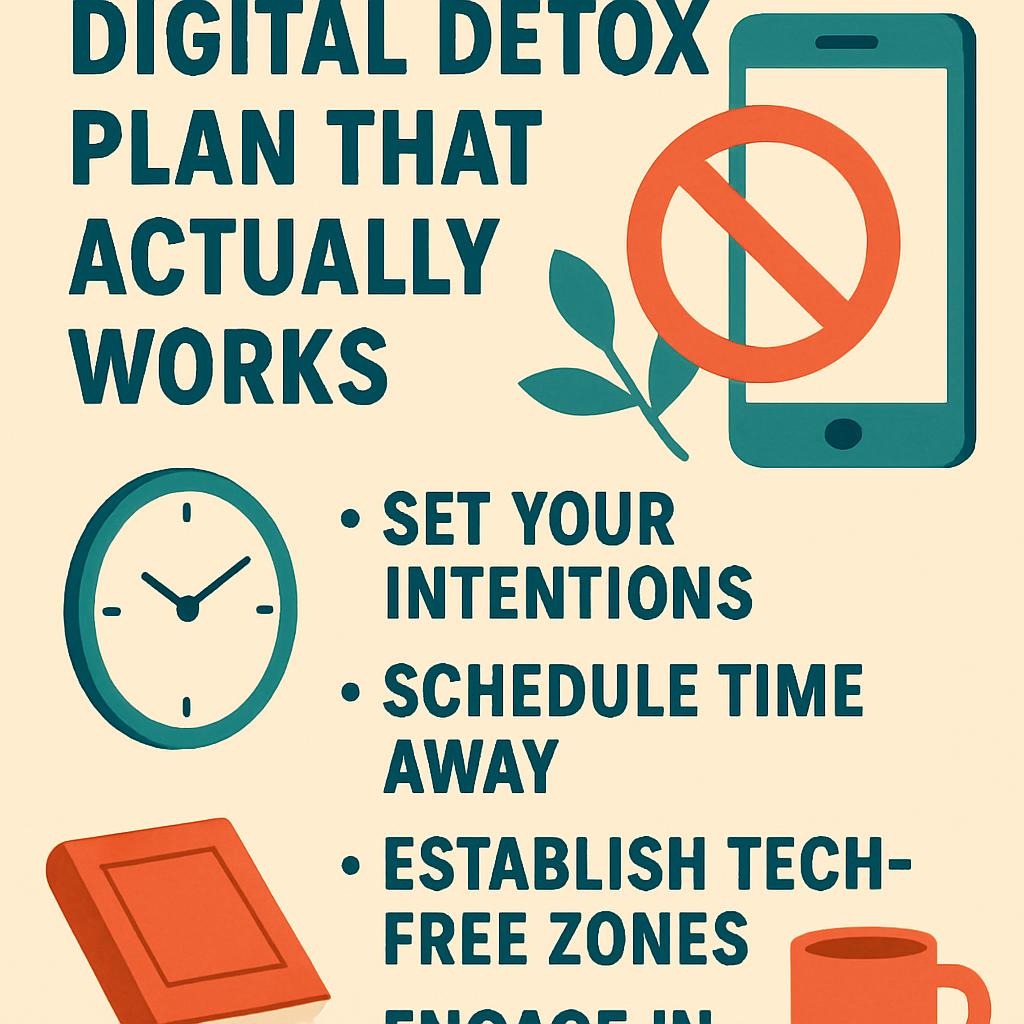
As an entrepreneur who’s battled through the chaos of dopamine-driven digital habits—from endless NFT research sessions to 3 AM doom scrolling that killed my productivity the next day—I know firsthand how our devices can hijack our success. During my years as a digital nomad chasing quick wins through e-commerce and content creation, I watched my screen time spiral out of control, contributing to burnout cycles that kept me starting over instead of building lasting success. Now five months into sobriety and helping other entrepreneurs break similar destructive patterns, I’ve discovered that creating a digital detox plan isn’t about going cold turkey—it’s about designing a sustainable system that works with your ADHD brain and business demands, not against them.
Assess Your Current Digital Habits and Triggers
Start with brutal honesty about your screen time patterns and emotional triggers. Most entrepreneurs I coach are shocked when they actually track their usage—discovering they’re spending 6-8 hours daily on devices, often switching between apps every few minutes. Use your phone’s built-in screen time reports or apps like RescueTime to get baseline data for at least one week. Pay special attention to peak usage times, which apps consume the most time, and how many times you pick up your device daily. This isn’t about judgment; it’s about gathering intelligence on your current habits so you can design targeted interventions.
Identify the emotional states and business situations that trigger excessive screen use. For entrepreneurs with ADHD or addiction tendencies, digital overconsumption often serves as emotional regulation—we scroll when anxious about a product launch, binge YouTube videos when avoiding difficult business decisions, or refresh social media when feeling isolated in our entrepreneurial journey. Keep a simple trigger log for 3-5 days, noting what you were feeling or thinking right before reaching for your device. Common patterns include procrastination on important tasks, stress about revenue goals, comparison with other entrepreneurs’ success posts, or using social media as a reward system that hijacks your brain’s dopamine pathways.
Analyze how your current digital habits impact your business performance and mental health. Look beyond just time spent—examine the quality of your work output, sleep patterns, ability to focus during deep work sessions, and overall life satisfaction. Many entrepreneurs notice their best creative ideas come during phone-free periods, while constant connectivity fragments their attention and reduces decision-making quality. Document specific examples: missed opportunities due to distraction, projects that suffered from divided attention, or times when digital overwhelm contributed to poor business choices. This analysis becomes your motivation anchor when the detox gets challenging.
Set Realistic Boundaries for Screen Time Goals
Create specific, measurable screen time targets based on your business needs, not arbitrary restrictions. Rather than dramatic cuts that set you up for failure, aim for 20-30% reductions from your baseline usage. If you’re currently spending 7 hours daily on devices, target 5 hours initially. Break this down by category: essential business activities (email, client communication, necessary research), productive personal use (learning, networking), and recreational screen time. For entrepreneurs managing ADHD, structure is crucial—allocate specific time blocks rather than trying to rely on willpower throughout the day. Consider that successful business owners typically spend 2-3 hours on focused, high-impact digital work rather than 6-8 hours of scattered device usage.
Establish clear temporal and spatial boundaries that protect your peak performance hours. Implement a "no phones before business hours" rule—many entrepreneurs find their first 2-3 hours of the day are their most creative and focused if not immediately hijacked by notifications and social media. Create phone-free zones in spaces where you do your most important work, and establish a digital sunset 1-2 hours before bed to improve sleep quality. For those with addiction tendencies, physical separation is often more effective than relying on app restrictions alone. Consider using a traditional alarm clock instead of your phone, keeping devices out of the bedroom, and designating specific areas for phone use.
Build in flexibility and emergency protocols to prevent all-or-nothing thinking that derails progress. Entrepreneurs face genuine urgent situations that require immediate digital access, so your boundaries need to accommodate reality while preventing excuse-making. Create clear criteria for "emergency" device use and time-limited exceptions for important business deadlines or opportunities. Plan for high-stress periods when you might be more vulnerable to old habits—perhaps during product launches, difficult client situations, or personal challenges. Having a predetermined plan for these scenarios prevents one bad day from becoming a complete abandonment of your detox goals. Remember, progress beats perfection, especially for ADHD brains that tend toward black-and-white thinking.
Build Alternative Activities That Actually Engage
Replace digital dopamine hits with activities that provide genuine satisfaction and support your business goals. The key isn’t just removing screen time—it’s filling that space with engaging alternatives that don’t leave you feeling deprived. For entrepreneurs, this might include hands-on business activities like sketching product ideas, handwritten strategic planning, in-person networking events, or physical exercise that boosts cognitive performance. Activities that engage your hands are particularly effective for ADHD brains: building something, cooking, playing an instrument, or even fidget toys during phone calls. The goal is finding non-digital activities that provide the stimulation and reward your brain is seeking without the addictive feedback loops of social media and endless content consumption.
Develop a menu of quick 5-15 minute activities for moments when you’d typically reach for your phone. These "micro-alternatives" are crucial for breaking automatic phone-grabbing habits throughout the day. Keep a running list accessible: take 10 deep breaths, do push-ups, step outside for fresh air, write three things you’re grateful for, tidy your workspace, or call a friend or family member. For entrepreneurs managing sobriety, having immediate alternatives is especially important since boredom and restlessness are common relapse triggers. Practice these alternatives when you’re not craving screen time, so they become automatic responses when you need them most. The key is variety—what works on Tuesday morning might not appeal on Friday afternoon.
Schedule longer, deeply engaging activities that provide the sustained focus and satisfaction your brain craves. Plan 1-3 hour blocks for activities that create flow states: reading physical books related to your industry, working on creative projects unrelated to your business, engaging in sports or outdoor activities, or spending quality time with people who support your goals. These extended non-digital periods help rewire your brain’s reward systems and prove that fulfillment doesn’t require constant stimulation. For entrepreneurs with ADHD, these activities should ideally involve some physical movement, novelty, or social interaction to maintain engagement. Consider joining entrepreneurship groups that meet in person, taking classes that interest you, or committing to regular outdoor activities that provide both mental clarity and physical health benefits.
Track Progress and Adjust Your Detox Strategy
Use simple, consistent metrics to monitor both your digital usage and the real-world outcomes you’re seeking. Track your daily screen time, but also measure business-relevant improvements: hours of deep work completed, quality of sleep, energy levels throughout the day, and progress on important projects. For entrepreneurs managing ADHD or addiction, mood tracking is particularly valuable—rate your overall satisfaction, stress levels, and sense of accomplishment on a 1-10 scale daily. Keep it simple enough to maintain consistently; even a basic smartphone note with three daily numbers (screen time, productivity, mood) provides valuable trend data over time. Many successful entrepreneurs find that reducing digital overwhelm correlates directly with increased business focus and better decision-making.
Conduct weekly reviews to identify patterns, celebrate wins, and troubleshoot obstacles before they derail your progress. Set aside 15-20 minutes each week to review your tracking data and reflect on what’s working versus what needs adjustment. Look for patterns: Which days or times are most challenging? What triggers led to excessive screen use? Which alternative activities were most satisfying? Celebrate small victories—even reducing daily screen time by 30 minutes or completing one phone-free work session represents meaningful progress. For those with addiction backgrounds, acknowledging progress without perfectionism is crucial for maintaining motivation and preventing shame spirals that often lead to abandoning healthy changes altogether.
Adapt your strategy based on real-world results rather than sticking rigidly to initial plans that aren’t serving you. Your digital detox plan should evolve as you learn what works for your specific brain, business demands, and lifestyle. If certain boundaries feel too restrictive and lead to rebellion, adjust them to be more sustainable. If particular alternative activities consistently fail to engage you, try new options. Pay attention to seasonal changes, business cycles, and life circumstances that might require temporary modifications to your approach. The entrepreneurs who succeed long-term with digital wellness are those who view it as an ongoing optimization process rather than a fixed set of rules. Remember, the goal is creating sustainable habits that support your business success and personal well-being, not achieving perfect adherence to an arbitrary standard.
Creating a digital detox plan that actually works isn’t about perfection—it’s about building sustainable systems that support your entrepreneurial success while protecting your mental health and focus. Through my own journey from digital overwhelm to intentional technology use, I’ve learned that the most effective approach combines honest self-assessment, realistic boundaries, engaging alternatives, and flexible tracking that adapts to real life. Whether you’re managing ADHD, working through sobriety, or simply tired of feeling controlled by your devices, remember that every small step toward digital wellness compounds into significant improvements in business performance and life satisfaction. If you’re an entrepreneur ready to break free from digital addiction and create sustainable success habits, I’d love to help you develop a personalized strategy that works with your unique challenges and goals—because your business and your well-being deserve better than the endless scroll.
Leave a Reply