If you’ve ever felt you couldn’t launch, post, or sell until everything was perfect—this story will sound painfully familiar.
The Myth That Perfection Equals Success
For years, I believed perfectionism was the same as professionalism. I thought if I showed up fully polished—right website, refined offer, perfect pitch—clients would line up. Perfectionism promised safety, control, and success.
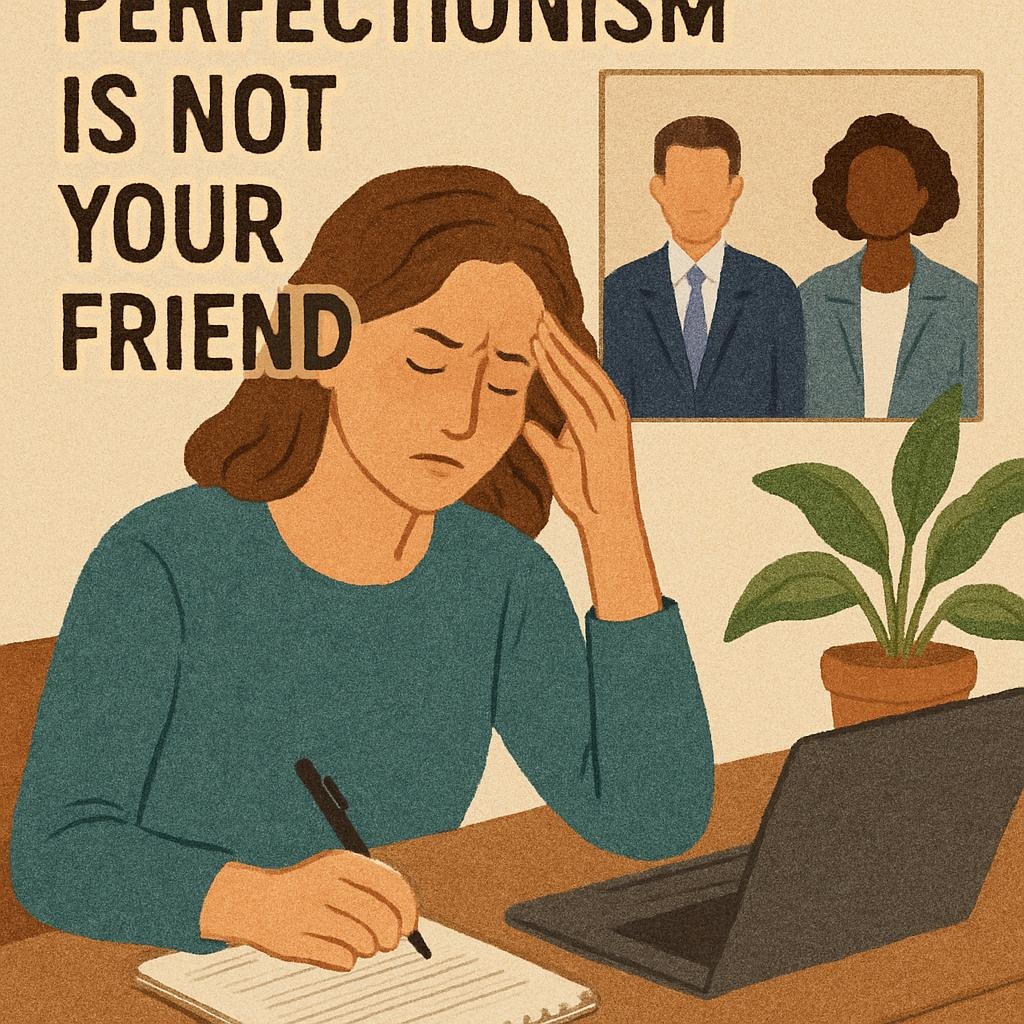
But behind that polished mask was fear. Every “I’m just not ready yet” was fear dressed up as strategy. Each draft, revision, and hesitation delayed the very progress I claimed to be chasing.
Perfectionism doesn’t protect growth—it delays it.
What Perfectionism Actually Delivers
Instead of confidence, it gave me paralysis.
Instead of clarity, I was stuck in self-doubt.
And instead of progress, I watched others take the opportunities I kept postponing.
While I was “getting ready,” less experienced coaches were signing clients. Not because they were better. Because they were visible.
The illusion of “perfect timing” masked the truth: progress only begins in motion.
The Turning Point: Two Clients, Zero Prep
One week, I had an impromptu opportunity to speak to a small group of entrepreneurs. No slides. No script. No perfect lighting. Just me, my story, and raw insight.
I wanted to cancel. My inner perfectionist screamed that I wasn’t prepared—that it would be unprofessional to show up unready.
But instead, I chose presence over perfection.
By the end of that unscripted call, two participants reached out. Both became paying clients within a week. It wasn’t my polish that resonated—it was my honesty, my energy, and my willingness to show up as I was.
Recognizing Perfectionist Thinking Patterns
Here’s how to spot when perfectionism is sabotaging you under the guise of “standards”:
- “I’ll start once I’m fully confident.”
- “It’s not quite ready yet.”
- “I need to learn one more thing.”
- “What if it’s not good enough?”
- “People will judge me if I fail.”
These thoughts signal your brain’s fear network firing, not your logical mind strategizing.
The Neuroscience Behind Fear vs. Logic
When you chase perfection, your amygdala—the part of your brain responsible for fear responses—stays in overdrive. It’s scanning for potential rejection, embarrassment, or loss.
Logic belongs to the prefrontal cortex, which activates with calm, deliberate action. But perfectionism keeps that logical system offline by flooding your body with anxiety. This is why our best thinking returns after we’ve already acted.
Action, not rumination, reactivates higher reasoning.
The “Good-Enough” Framework for Decision-Making
Use this quick framework when your brain demands perfect conditions before moving:
- Clarify the goal – What’s the actual outcome you want? (Client call booked, video posted, post published.)
- Set the standard – What’s the minimum quality that still delivers value or progress?
- Define a deadline – Give yourself a clear cutoff to act.
- Evaluate after action – Rather than perfecting before, review and iterate after.
Progress beats perfection when you’re building momentum.
Why Imperfection Converts Better
In coaching, sales, or content creation—authentic imperfection sells better than sterile perfection.
People relate to vulnerability, not polish. When you’re imperfect, you’re believable. When you’re honest about not having it “figured out,” your audience feels safe to not have it figured out either.
Imperfection breeds connection. Connection breeds trust. Trust converts.
Worksheet: Is This Perfection Serving Me, or Sabotaging Me?
Ask yourself before every major move:
- What am I really afraid of right now?
- Is this level of preparation adding clarity—or avoidance?
- What’s the real cost of waiting?
- How can I simplify this and launch today?
- If I wasn’t seeking approval, what would I do next?
Print these questions. Keep them visible. Use them as a compass when you feel “not ready.”
Because truthfully, readiness isn’t when everything falls into place. It’s when you choose to move anyway.
Would you like this post framed more as a personal narrative (first-person storytelling) or as an educational article (third-person with coaching insights)?
Leave a Reply