
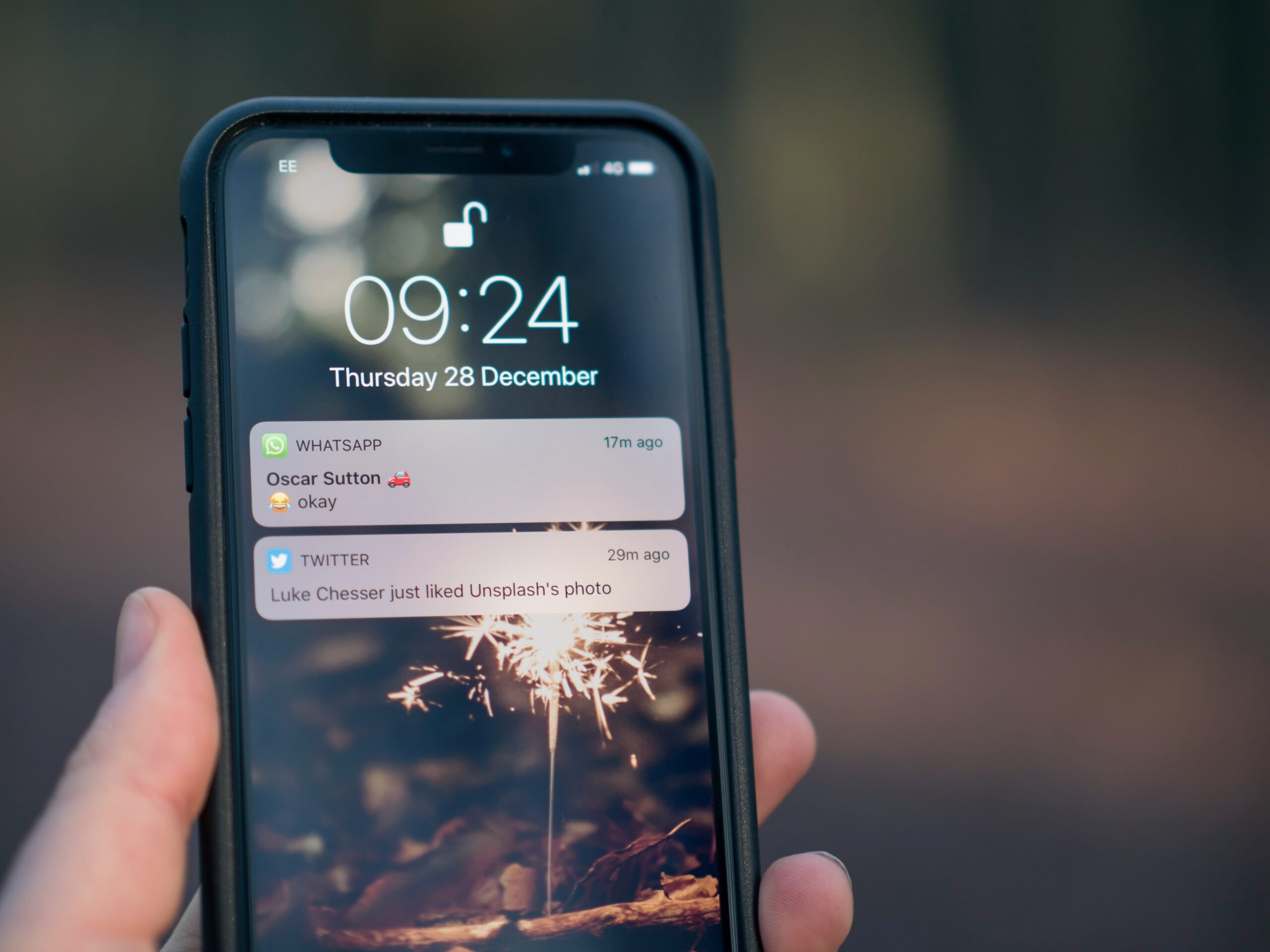
The Effect of Screen Time on Productivity: Whether it’s a tablet for leisure, a smartphone for communication, or a computer for work, I find myself more & more dependent on screens in the current digital era. My productivity is greatly impacted by the ubiquitous presence of screens. Excessive screen time has been linked to increased fatigue and decreased focus, both of which I have personally experienced, according to research.
Key Takeaways
- Excessive screen time can negatively impact productivity
- Setting boundaries for screen time is essential for maintaining focus
- Time management techniques can help maximize productivity and minimize distractions
- Creating a distraction-free work environment is crucial for staying on task
- Regular breaks can improve focus and prevent burnout
It can be difficult for me to sustain a deep level of concentration on tasks requiring sustained mental effort because of the constant barrage of notifications and the temptation to check social media. Also, I’ve found that extended screen time can cause physical discomfort like headaches and eye strain, which makes it harder for me to work effectively. My sleep cycles are disturbed by the blue light that screens emit, which makes me feel drowsy and uninspired the following day. As I think back on my everyday activities, it’s evident that controlling my screen time is about improving my general wellbeing and productivity rather than just cutting down on distractions. I’ve discovered the significance of establishing boundaries in order to counteract the detrimental effects of excessive screen time. For me, setting aside specific times for personal and work-related screen time has changed everything.
For example, I now set aside specific times of the day for work-related tasks, minimizing distractions by disabling unnecessary notifications. I can focus on my work without being distracted by social media or other online distractions thanks to this practice. I’ve also started enforcing a “no screens” rule before bed and during meals. This straightforward boundary has improved both my interpersonal relationships and my ability to concentrate at work.
I find that when I am totally present during meals and conversations, I am more involved & connected to people around me. By establishing these limits, I’ve been able to take charge of my screen time instead of letting it rule my day-to-day activities. I’ve learned the value of efficient time management strategies in my effort to increase productivity. The Pomodoro Technique, which calls for working in concentrated bursts interspersed with brief breaks, is one approach that appeals to me. I find that I can maintain a higher level of concentration and prevent burnout by dividing my work into manageable intervals.
| Strategy | Impact |
|---|---|
| Implementing Pomodoro Technique | Increased focus and productivity |
| Setting specific time limits for tasks | Improved time management |
| Utilizing productivity apps | Enhanced organization and efficiency |
| Regular breaks and physical activity | Reduced fatigue and improved mental clarity |
I take a quick break to stretch or get a drink after every Pomodoro session so that my mind can refuel before returning to my work. Setting priorities for tasks using the Eisenhower Matrix is another method I’ve adopted. I can focus on what really matters by using this method to organize tasks according to their importance and urgency. I can better manage my screen time and make sure I’m moving forward with my most important projects by prioritizing tasks at the start of each day.
In addition to increasing my output, these time management techniques have lessened the stress brought on by excessive workloads. Making my workspace free of distractions has been crucial to increasing my output. I’ve taken action to clear my workspace of extraneous objects that might distract me. I can concentrate on the task at hand without visual distractions vying for my attention when my desk is neat & orderly.
In order to block out background noise, I’ve also purchased noise-canceling headphones. These can be especially useful when working in crowded or shared areas. I’ve also discovered that adding inspirational sayings or plants to my workspace can improve my mood and creativity. I create an environment that is conducive to concentrated work by surrounding myself with things that motivate me. In addition, I’ve developed a routine that marks the beginning of my workday, such as making a cup of coffee or lighting a candle, which helps me mentally shift into a productive mindset.
One of the most important strategies I’ve found for sustaining productivity in my work routine is incorporating regular breaks. I was first reluctant to take breaks from my screen because I thought they would interfere with my flow. But I quickly discovered that taking brief breaks actually improves my ability to concentrate and be creative.
I stretch, go for a walk, or do mindfulness exercises during these breaks. I can refuel and resume my work with fresh enthusiasm during these times away from the screen. I’ve also learned the advantages of planning longer breaks throughout the day. For example, I get nourishment and a mental reset when I take a full lunch break away from my desk.
I find that by avoiding screens during these breaks, I can come back to work feeling rejuvenated and prepared to take on challenges with a clearer head. I’ve begun incorporating digital detox days into my schedule after realizing how important it is to maintain balance in my digital life. I intentionally disconnect from all screens, including computers, televisions, and phones, on these specified days. I can re-establish a connection with the world and myself without being constantly influenced by technology thanks to this practice.
I read physical books, go on nature walks, or spend time with friends and family during these detox days. These days of digital detoxification have numerous advantages. They stimulate inspiration & creativity in addition to offering a much-needed respite from the digital cacophony. I find that when I’m not distracted by social media or news updates, I can think more clearly and do things that genuinely make me happy. These detox days have grown to be a treasured part of my schedule, serving as a constant reminder of the value of balance in a world that is becoming more and more digital.
I’ve discovered how important it is to prioritize tasks and establish specific goals in order to increase my productivity. I set aside time at the start of every week to list my goals & pinpoint important tasks that support them. In addition to giving me guidance, this practice keeps me concentrated on the important things.
I can monitor my progress and recognize minor accomplishments by dividing more complex projects into smaller, more doable tasks. I’ve also started using SMART goals, which stand for Specific, Measurable, Achievable, Relevant, & Time-bound. This structure guarantees that my objectives are clear and reachable in a reasonable amount of time. I keep myself motivated and accountable throughout my workweek by routinely reviewing and modifying these objectives as necessary.
I’ve actively looked for substitute activities that fulfill me without using technology as I work to cut back on my screen time. Taking up hobbies like cooking, gardening, or painting gives me a chance to express my creativity and escape from screens. In addition to being fun hobbies, these activities improve my general wellbeing by giving me a sense of achievement. Also, I’ve learned how enjoyable it is to connect with people through in-person conversations or group activities. Participating in community events or joining a local book club are examples of experiences that enhance my life in ways that screens cannot match.
I feel more content and balanced in both my personal and professional lives when I prioritize these alternative pursuits. Using technology to control screen time may seem counterintuitive, but I’ve discovered that some tools and apps can be really useful for monitoring and restricting usage. These days, a lot of smartphones have built-in features that let me track how much time I spend on different apps. I can see usage trends and pinpoint areas where I need to make cuts by routinely reviewing this data. Also, there are apps made expressly to help reduce screen time by limiting usage of particular apps or preventing access to distracting websites. I can develop a better relationship with technology while still taking advantage of its benefits when needed by using these tools strategically.
As I negotiate the difficulties of contemporary life, establishing a good work-life balance has become a top priority for me. I’ve established boundaries between work and personal time in order to attain this balance. I make time for rest & self-care by setting aside particular times for work-related tasks & making sure to turn off screens after work. I’ve also discovered how important it is to partake in enjoyable & fulfilling activities outside of work. These time spent away from screens, whether it’s engaging in hobbies or spending time with loved ones, greatly enhance my general happiness and wellbeing.
By giving equal weight to my personal and professional lives, I develop a sense of balance that improves my output at work. Last but not least, asking for help and accountability has been crucial to my progress in successfully controlling screen time. Sharing my objectives with loved ones or friends makes me feel accountable, which encourages me to stick to my plan. Having support makes the process more pleasurable, whether it’s talking to a friend about how we’re doing with cutting back on screen time or taking part in group challenges centered around digital wellness.
I’ve also discovered the benefits of participating in online communities devoted to digital wellness, where people discuss their experiences and practical methods for controlling screen time. I feel a sense of camaraderie and am motivated to continue developing healthier habits when I interact with people who have similar objectives. In conclusion, self-awareness & intentionality are necessary for navigating the complexities of screen time. I am better able to manage my screen time while improving both productivity and general well-being by comprehending its impact on productivity and putting strategies like setting boundaries, using time management techniques, creating distraction-free environments, incorporating regular breaks, embracing digital detox days, prioritizing tasks, finding alternate activities, using technology wisely, establishing work-life balance, and seeking support into practice.
Reducing screen time can significantly enhance productivity, allowing individuals to focus better and manage their time more effectively. For those interested in improving their entrepreneurial skills, a related article on how sobriety can boost creativity and business innovation may provide valuable insights. You can read more about it in this article: How Sobriety Boosts Creativity and Business Innovation.
Leave a Reply